
Best Orthopedic Shoes for Knee Pain: How Your Footwear Could Be Causing Joint Problems
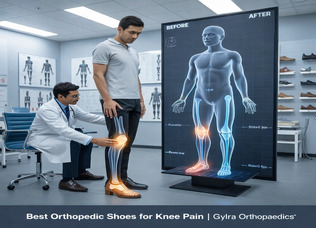
That Cute Pair of Shoes Might Be Wrecking Your Joints
Sometimes we buy shoes that look fabulous but the moment we wear them and step outside, they start hurting. Or kept that old pair of sneakers around because they’re “still fine.” The truth is that your shoes play a big role in your best orthopedic shoes for knee pain.
At Glyra Orthopaedics we’ve seen knee pain, lower back issues all linked to poor foot and ankle health. Let’s walk you through the most common footwear mistakes and how they affect your posture and joints. Also what you can do today to feel better from the ground up. Also know How Footwear Causes best orthopedic shoes for knee pain and What You Can Do About It.
Why Shoes Matter More Than You Realize
Your feet are your foundation. The way they move and carry your body impacts your ankles, knees, hips, and even your spine. So when your shoes don’t support your natural alignment, your entire body pays the price.
Looking up for an orthopedic doctor near me for recurring joint pain but haven’t thought about your footwear? Let’s fix that.
Common Footwear Mistakes That Lead to Joint Pain
1. Wearing Worn-Out Shoes
Even the best shoes lose their structure over time. If your sole is uneven, your knees and hips adjust to compensate. This uneven wear impacts best orthopedic shoes for knee pain alignment, leading to:
- Knee pain
- Hip tightness
- Lower back stiffness
Joint pain relief tips: Replace daily-wear shoes every 6–12 months or when the soles show visible wear, whichever comes first.
2. High Heels Every Day
Yes, they look amazing. But heels throw off your body’s natural posture by pushing your weight forward. That means:
- Excess pressure on the knees
- Shortened calf muscles
- Poor foot and ankle health
If you must wear heels, save them for short durations and always stretch afterwards. Switch to supportive flats with cushioning when possible.
3. Flat Slippers and Flip-Flops
These offer zero arch support. The result? Your feet roll inward (overpronation), which puts added stress on your knees and hips. Over time, this contributes to chronic joint pain, even in young people.
Joint pain relief tips: Look for flip-flops or slides with a contoured footbed and proper grip.
4. Wrong Shoe Size
This might surprise you, but many people wear the wrong shoe size—often too small! Tight shoes can compress your toes, misalign your foot arches, and cause a ripple effect up your legs and spine.
Pro tip: Your feet can change size over time. Get measured once a year.
5. Wearing Running Shoes for Everything
We love running shoes—but they’re designed for forward motion. Using them for workouts, walking, or standing all day can create imbalance and pain.
If your workout includes side movement, dancing, or lifting weights, look for cross-training shoes or specialized footwear that supports those motions.
How Footwear Affects Your Posture
Bad shoes mean bad posture. And bad posture leads to:
- Tight hips
- Weak glutes
- Compressed lower back
- Forward head tilt
If you’ve noticed that no amount of stretching or best orthopedic shoes for knee pain massage fixes your stiffness, your footwear might be the missing puzzle piece.
Want help figuring this out? A consultation with an orthopedic doctor near me can help assess your posture, gait, and footwear choices.
When to Seek Professional Help
If changing shoes doesn’t bring relief in 2–3 weeks, don’t wait it out. At Glyra Orthopaedics, we help patients correct their walking mechanics and reduce pain through expert evaluation and personalized plans.
Consider seeing an orthopedic if you notice:
- Chronic pain in knees, hips, or back
- Frequent foot/ankle pain after standing or walking
- Visible arch collapse or inward rolling
- Shoe soles wearing out unevenly
From physiotherapy to footwear guidance, our clinic focuses on sustainable joint pain relief tips.
How Glyra Orthopaedics Can Help
We don’t just treat injuries—we prevent them. Our team offers:
- Posture assessments
- Gait analysis
- Advice on posture and footwear
- In-clinic physiotherapy and rehab
- Customized treatment plans for all ages
Whether you’re a working professional, senior citizen, or athlete, we help you stay mobile and pain-free.
Final Thoughts: Walk Your Way to Healthier Joints
You don’t have to suffer for fashion—or old habits. Small changes in your footwear choices can have a big impact on your knees, hips, and back.
If you’re tired of Googling “orthopedic doctor near me” and getting short-term answers, start from the ground up. Reevaluate your shoes, monitor your foot and ankle health, and book a visit with the Glyra Orthopaedics team if things don’t improve.
A better posture, smoother walk, and pain-free joints might just be one shoe swap away.
Had a great experience with us? We’d love to hear your thoughts! Click here to leave a Google review and share your feedback.