
Bone Healing Phases Explained: From Fracture to Recovery
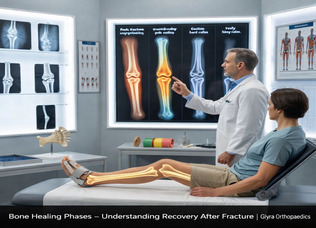
Breaking a bone can feel like everything comes to a sudden stop. One moment life is normal—and the next, you’re dealing with pain, swelling, hospital visits, and the worry of “How long will this take to heal?”
The good news is this: your body begins repairing a fracture almost immediately. Even while the injured limb looks still from the outside (because of a cast, splint, or support), intense repair work is happening inside. These internal changes happen in a structured, predictable order known as the bone healing phases.
When you understand what your body is doing, recovery feels less stressful—and you can support healing in the right way.
How the Body Repairs a Broken Bone
Bones aren’t “dead” structures. They contain blood supply and healing cells, which is why the body starts repairing immediately after a fracture. The bone healing phases rebuild strength and shape step by step.
Recovery improves with good blood flow, correct alignment, limited movement, proper nutrition, and protection from infection or re-injury. At Glyra Orthopaedics, these are maintained throughout treatment.
Phase One: Emergency Protection
The first of the bone healing phases is like your body’s emergency response system.
Right after the fracture:
- Blood gathers at the fracture site.
- A clot seals and protects the area.
- Healing cells clear damaged tissue.
- Pain and swelling increase (normal).
This phase lasts a few days and signals healing has started.
Phase Two: Temporary Framework Formation
The second of the bone healing phases is when the body starts forming a “bridge” between broken bone ends. Healing cells produce collagen fibres and soft cartilage-like tissue.
Together, they form what’s called a soft callus. Think of it like a temporary cushion that connects the bone ends. It gives early support, but it is not strong enough to handle body weight or pressure yet.
Doctors often recommend immobilisation with a cast/brace, rest, or surgery in certain cases. Too much movement at this stage can affect healing.
Phase Three: Strengthening the Fracture
The third of the bone healing phases is when real strength returns.
The soft callus hardens into bone as calcium and phosphate strengthen the area, forming a stable bony bridge.
During this phase:
- pain reduces noticeably
- swelling begins to settle
- gentle controlled movement becomes possible (as advised)
Many patients feel encouraged during this stage because the bone finally starts feeling more “solid.”
Phase Four: Final Reshaping
The final of the bone healing phases is called remodelling. This is when the body fine-tunes the repaired bone.
Here, the body:
- removes extra bone tissue.
- reshapes the bone.
- strengthens it (so it handles weight properly).
This phase can take months, but it brings long-term durability.
Role of Rehabilitation
Physiotherapy becomes especially important in the later bone healing phases. It prevents stiffness, rebuilds muscle strength, improves balance, and teaches safe movement again—so that recovery feels complete, not partial.
Conclusion
Healing a fracture is not instant—but it is organised, intelligent, and beautifully designed. Bone healing phases explain that recovery is step by step, and every stage supports the one that follows. With expert guidance at Glyra Orthopaedics, proper care, good nutrition, and patient commitment, most fractures heal well and patients return to normal life confidently.
Had a great experience with us? We’d love to hear your thoughts! Click here to leave a Google review and share your feedback.