
Understanding Hip Replacement Recovery Time: What to Expect
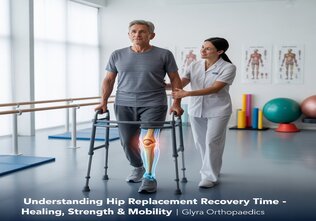
Hip starts very slowly and can make even simple movements harder over time. Walking, using stairs, or even getting out of bed can start to feel uncomfortable and tiring. When treatments like physiotherapy, pain medication, and rest stop helping, hip replacement surgery often becomes the best way to regain comfort and improve daily life.
Even so, concerns about hip replacement recovery time are very common. At Glyra Orthopaedics, patients are guided through recovery step by step, so they always know what comes next and feel confident in their healing journey.
How Recovery Begins
Hip replacement recovery time begins immediately after surgery. With medical support, patients usually stand and start walking within 24 hours, allowing the body to stay active and maintain healthy blood flow.
Every patient recovers differently, so the timeline for healing can vary from person to person. At Glyra Orthopaedics, we focus on steady healing, comfort, and joint protection, moving towards long-term mobility and independence.
Weeks 1 to 4: Healing and Protection
The early recovery phase focuses on helping the surgical site heal while keeping the new hip safe. Patients follow recommended precautions during these weeks to support smooth recovery.
Patients usually:
- Use walkers or crutches for support.
- Follow safe sitting, standing, and sleeping positions.
- Take prescribed medications for pain and inflammation.
- Begin gentle physiotherapy exercises.
These early steps help patients regain movement while maintaining joint stability. At Glyra Orthopaedics, we make recovery plans as per the needs of the patients giving proper guidance during this sensitive stage of hip replacement recovery time.
Building Strength Through Rehabilitation
Physiotherapy forms the foundation of successful recovery. During later stages of healing, physiotherapy aims to strengthen the hip area and improve balance and coordination. Therapists carefully raise exercise intensity over time to suit each patient’s ability.
Rehabilitation helps patients:
- Walk with better posture and balance.
- Increase joint flexibility.
- Reduce muscle stiffness and weakness.
- Improve overall confidence in movement.
When patients follow physiotherapy regularly, hip replacement recovery time becomes smoother, making everyday activities easier to return to.
Long-Term Recovery and Lifestyle Adjustments
Between the third and sixth month, recovery feels more encouraging. Pain levels drop, movement becomes smoother, and everyday activities start to feel comfortable again. Light exercise may also be possible for some patients.
Complete recovery may take up to a year. Continuous guidance helps patients understand how to protect their new hip and stay comfortable in the long run.
What Influences Recovery Speed?
Several factors affect hip replacement recovery time, including:
- Level of mobility before surgery.
- Body weight and muscle strength.
- Overall fitness and health.
- Dedication to physiotherapy.
- Regular follow-up care.
Why Expert Care Matters
Recovery is smooth when patients have clear instructions and continuous support. Glya Orthopaedics focuses on patient education, structured rehabilitation, and regular progress checks so that recovery stays on tack and stress-free.
Conclusion
Recovering after surgery takes time, and hip replacement recovery time is no different. With consistency, structured physiotherapy, and professional support, patients heal step by step. At Glyra Orthopaedics, experienced specialists guide patients toward better mobility and a pain-free, confident life.
Had a great experience with us? We’d love to hear your thoughts! Click here to leave a Google review and share your feedback.