
Discover Spinal Surgery Types and Their Benefits for Recovery
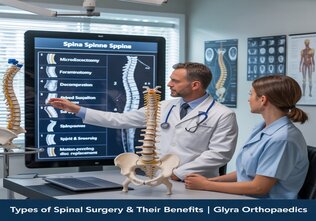
Problems in the spine can make it difficult to move and everyday tasks become uncomfortable. At times, non-surgical options such as medicines and physiotherapy also fail to provide relief. This is the time when patients start to look for spinal surgery types to find a solution that can restore their stability and comfort.
Our team at Glyra Orthopaedics carefully explains each surgical procedure so patients can understand their choices, feel reassured, and take control of their recovery.
Why Patients Should Know About Their Options
The spine does complex work everyday, so its conditions can vary. Knowing the various spinal surgery types helps patients identify solutions that match their symptoms, whether it involves nerve compression, disc damage, or structural imbalance.
Common Types of Spinal Surgery
The following is a simple guide to the most widely done spinal surgery types to give a clear explanation of what surgery is for what purpose:
1. Microdiscectomy
In this type, a small portion of a herniated disc is removed so that it does not press on the nearby nerves. This surgery is known for giving quick relief from leg pain and improving movement.
2. Foraminotomy
This procedure widens the space where nerves exit the spine. It helps patients who have numbness, tingling, or sharp radiating pain.
3. Decompression Surgery
With stenosis, the spinal canal tightens, which can put pressure on the nerves. Decompression clears away overgrown bone or ligaments, freeing the nerves and improving mobility.
4. Spinal Stabilisation
When the spine is unstable or fractured, some surgical procedures use rods, screws, or implants to provide extra support, stabilising the spine and guarding against further damage.
5. Motion-Preserving Surgeries
Instead of limiting movement, these procedures replace damaged discs with artificial alternatives to maintain mobility and flexibility.
Each of these spinal surgery types has its own purpose, and the team at Glyra Orthopaedics helps patients understand which one fits their needs best.
Benefits Patients Can Expect
The advantages of different surgeries are different, but some general improvements after the surgeries are:
- Relief from chronic nerve irritation.
- Better posture alignment.
- Increased stability during movement.
- Reduction in swelling and stiffness.
- Improved ability to stand, walk, or work comfortably.
These benefits explain why understanding about the right spinal surgery types can change the life of a patient.
Recovery and Aftercare
Recovery after a good surgery depends on rehabilitation. At Glyra Orthopaedics, we make structured plans for our patients and encourage them to:
- Keep posture neutral and avoid twisting.
- Walk regularly to strengthen muscles.
- Follow physiotherapy schedules without delay.
- Avoid heavy lifting in the first few months.
These steps make all spinal surgery types safer and more effective in the long run.
Final Thoughts
Being familiar with the range of spinal surgery types gives patients clarity and confidence before undergoing any procedure. It helps them understand what to expect and prepares them for each stage of treatment.
With Glyra Orthopaedics, patients receive structured rehabilitation, expert medical guidance, and thorough planning. It helps make spinal surgeries safe, recovery easier, and results long-lasting.
Had a great experience with us? We’d love to hear your thoughts! Click here to leave a Google review and share your feedback.