
Knee Replacement Surgery – What It Means and What You Can Do About It
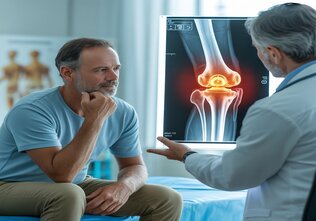
When you are told that you may need knee replacement surgery, you may feel overwhelmed. You may have questions such as:
- Is this really necessary?
- Will I be able to walk normally again?
- How safe is the procedure?
As an orthopedic doctor near me, we meet many patients with such concerns. Lets see what knee replacement surgery is and what you can expect from it.
What is Knee Replacement Surgery?
Knee replacement surgery is basically the replacement of the damaged part with artificial parts, which can be made of metal, ceramic, or plastic.
There are two main types:
- Total Knee Replacement (TKR) – the entire joint is replaced.
- Partial Knee Replacement (PKR) – only the damaged part is replaced.
Modern implants can last 15–20 years and help to restore mobility so you can do your daily activities without pain.
Myth: It’s only for very old people
Many believe knee replacement is only for those in their 70s or 80s. In reality, younger patients may also need it if they have:
- Severe arthritis
- Post-injury damage
- Joint deformity
- Pain that isn’t improving with physiotherapy or medicines
At Glyra Orthopaedics, we see patients in their 40s and 50s who return to active, pain-free lives after surgery.
Do I really need surgery now?”
An orthopedic doctor near me will usually suggest surgery when:
- Pain doesn’t reduce
- Doing daily tasks is difficult
- The joint is deformed or unstable
- X-rays show advanced damage
Sometimes, delaying surgery can worsen the situation.
Safety and Risks
Knee replacement is among the most successful orthopedic surgeries. Some risks could be infection, blood clots, or implant wear over time. Choosing an experienced orthopedic doctor near me and following advice reduces complications.
Recovery and Rehabilitation
Most people begin walking with support within 1–2 days. You can get back to your daily tasks in 6 weeks, while full recovery takes 3–6 months. Physiotherapy is necessary for:
- Restoring strength.
- Improving flexibility.
- Training the joint to move naturally.
Patients usually feel that the initial recovery is tough but the long-term benefits are life-changing.
Life After Knee Replacement: Guidance From an Orthopedic Doctor Near Me
After surgery, most people can:
- Walk long distances.
- Drive within 4–6 weeks.
- Return to swimming, cycling, or golf.
What to avoid:
- High-impact sports like running.
- Heavy lifting.
- Skipping follow-ups with your orthopedic doctor near me.
What You Can Do Right Now
DO vs AVOID
- Consult an orthopedic doctor near me | Don’t wait for the pain to increase.
- Maintain healthy weight | Avoid excess strain on joints.
- Do strengthening exercises | Don’t neglect physiotherapy.
- Prepare your home for recovery | Don’t assume you’ll “manage somehow”.
Final Word
Knee replacement is the beginning of a pain-free, active life.
At Glyra Orthopaedics, we provide:
- Expert consultation with orthopedic specialists
- Advanced surgery options
- Personalised recovery plans
If knee pain is limiting you, seek advice from an orthopedic doctor near me. With the right care, you can get back on your feet and enjoy life again.
Had a great experience with us? We’d love to hear your thoughts! Click here to leave a Google review and share your feedback.