
Top 5 Home Remedies to Ease Knee Pain Before Seeing a Doctor
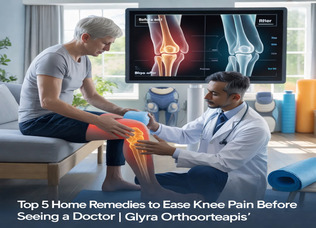
Home Remedies to Ease Knee Pain Do you also wake up with stiff knees or struggle to climb stairs or aren’t able to sit cross-legged for long? You’re not alone. Knee pain is one of the most common complaints we hear in the clinic. It can affect anyone from older adults trying to enjoy a walk to young professionals working long hours at a desk.
Most of us usually brush off mild knee pain, hoping that it is going to go away on its own. Sometimes, it does go away. But if it is a regular occurrence, you need to take it seriously. This blog is designed to offer you easy, effective, and safe home remedies for knee pain relief. If you’re also wondering when to consult a bone and joint doctor, we’ll cover that too.
These tips can help you get relief and avoid making things worse.
What Causes Knee Pain?
Your knees carry the weight of your whole body. And are prone to strain. Common causes of knee pain include:
- Overuse or repetitive strain (e.g. jogging on hard surfaces)
- Arthritis (like osteoarthritis or rheumatoid arthritis)
- Previous injury or ligament damage
- Weak thigh muscles or poor posture
- Being overweight
Many people Google knee pain relief at home, but end up trying ineffective or even harmful remedies. So let’s focus on what actually works and is supported by experts.
Top 5 Home Remedies for Knee Pain Relief
1. RICE: Rest, Ice, Compression, Elevation
The RICE method is a basic but a tested approach for easing mild to moderate knee pain caused by overuse, swelling, or a minor injury.
- Rest: Take a break from activities that worsen the pain.
- Ice: Apply an ice pack wrapped in a towel for 15–20 minutes, 2–3 times a day.
- Compression: Use a knee brace or elastic bandage to support the joint.
- Elevation: Raise your leg on a pillow to reduce swelling.
This remedy is especially helpful in the first 48 hours after a flare-up or strain.
2. Strengthen and Stretch—Gently
Your knee pain could be due to weak muscles around the joint. Strengthening your quads, hamstrings, and glutes reduce the pressure on your knees. Try these:
- Seated leg raises
- Wall sits (for 10–15 seconds)
- Hamstring stretches
- Heel and calf stretches
But remember—don’t push through pain. If something hurts, stop. Usually joint pain relief starts with simple physiotherapy exercises like these.
3. Hot and Cold Therapy
Ice is great for fresh pain and swelling and heat works better for stiffness and chronic aches. A warm compress or heating pad can loosen tight muscles and increase blood flow.
When to use what:
- Cold: After injury, swelling, or sharp pain.
- Heat: For morning stiffness, arthritis, or long-standing soreness.
You can alternate both, depending on what feels better. Don’t aply heat to an actively swollen joint.
4. Massage and Gentle Self-Care
Massage improves circulation and relaxes tight muscles. Try:
- Massaging the area around your knee with warm coconut or mustard oil
- Using a foam roller to gently release tension in your thighs
- Applying turmeric paste (curcumin has anti-inflammatory properties)
Regular massages may not “cure” knee issues, but they offer short-term relief and comfort—especially for those who haven’t yet visited an orthopedic doctor near me for diagnosis.
5. Watch Your Weight and Footwear
Every extra kilo puts stress on your knees. Losing even a small amount of weight can reduce joint pressure and pain—particularly if you’re dealing with early-stage arthritis.
Also, ditch worn-out footwear. Shoes with poor support can worsen your gait and misalign the knee joint.
Go for:
- Cushioned soles
- Orthopedic footwear or inserts
- Avoiding high heels (no matter how tempting!)
Many bone and joint doctors in Delhi often suggest starting here before jumping to medicines or injections.
When to See a Doctor
Home remedies can help but they cannot be replaced by a medical opinion, especially when:
- The pain doesn’t improve after a week of home care
- You experience sudden swelling, redness, or warmth
- There’s a popping sound followed by instability
- You can’t bear weight or straighten your knee fully
In such cases, consult an orthopedic doctor near me without delay. Early diagnosis can prevent long-term damage.
Final Thoughts: Don't Ignore Ongoing Pain
You don’t need to panic if you have pain in your knees every now and then. But consistent discomfort deserves attention. The earlier you address it, the easier it is to manage.
What you can do now:
- Start with RICE and basic stretches
- Use hot/cold packs mindfully
- Watch your posture, footwear, and weight
- Don’t delay seeing a bone and joint doctor if things don’t improve
At Glyra Orthopaedics, we help people just like you regain pain-free movement with personalised care. If you’re unsure whether it’s time to see a specialist, our team of the best orthopedic doctors near you can help with clarity and guidance.
Had a great experience with us? We’d love to hear your thoughts! Click here to leave a Google review and share your feedback.