
The diagnosis and treatment of spinal disorders by orthopedic specialists.
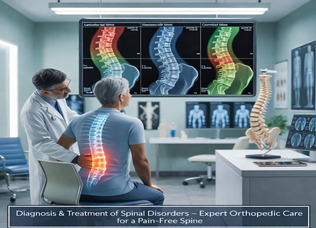
How Spinal Disorders Are Diagnosed and Treated by Orthopedic Specialists
(treatment of spinal disorders)
Your spine is essential to your general health, but it is frequently disregarded until an issue occurs. Your spine is essential to daily living because it supports your posture and allows for movement. Unfortunately, millions of people worldwide suffer from spinal problems, which are widespread. Orthopedic doctors can help you restore your quality of life by diagnosing and treating these conditions. We’ll look at how orthopedic experts identify and treat spinal abnormalities in this article, as well as how you might guard against problems in the future.
A spinal disorder: what is it?
Any ailment affecting the spine’s bones, muscles, ligaments, or nerves is referred to as a spinal illness. Some of these conditions can significantly impair movement, and others can cause anything from little discomfort to incapacitating pain. Typical spinal conditions include:
Herniated Disk:
- A condition in which a disc’s soft inner substance protrudes and presses against nerves.
- An abnormal lateral curving of the spine is known as scoliosis.
- Nerve compression may result from spinal stenosis, a narrowing of the spinal canal.
- Degenerative disc disease is the result of aging-induced disc wear and tear between the vertebrae.
- Sciatica Pain from nerve compression that travels down the legs from the lower back.
Persistent back discomfort, limb numbness or tingling, restricted movement, and even muscular weakening are typical indications of a spinal problem. For a precise diagnosis, it’s critical to speak with an orthopedic specialist if you’re exhibiting any of these symptoms.
An Orthopedic Specialist's Function in Spinal Care
Doctors with extensive training in orthopedics specialize in the diagnosis, management, and prevention of musculoskeletal conditions, particularly spinal issues. These experts possess the skills and knowledge necessary to determine the underlying cause of your spinal problem and suggest the best course of action.
An orthopedic specialist will usually start your initial consultation by going over your medical history and doing a comprehensive physical examination. The specialist will examine your posture, test your reflexes, and look for any stiffness or weakness in your muscles during the physical examination. They might recommend additional diagnostic testing in light of these findings.
Orthopedic Specialists' Diagnostic Techniques
To identify the root cause of spinal problems, orthopedic professionals use a range of diagnostic techniques. Below is a summary of the most popular techniques:
- Physical Examination: Your specialist will assess your range of motion, look for any sore spots, and watch your posture. This aids in reducing the number of possible sources of discomfort or suffering.
- Imaging Methods: X-rays: These provide you a clear picture of your spine’s bones and can show abnormalities like degenerative changes, alignment concerns, or fractures.Both soft tissues, including discs and nerves, as well as bones can be seen in great detail on MRI and CT scans. In order to diagnose spinal stenosis, herniated discs, and other soft tissue disorders, they are essential.
- Electromyography (EMG): An EMG test can evaluate electrical activity in muscles and aid in evaluating nerve function if nerve damage is suspected.
Orthopedic specialists diagnose common spinal disorders.
Orthopedic experts frequently deal with a number of spinal diseases. A closer look at a few of the most prevalent is provided below:
- Herniated Discs: When a disc’s soft inner core protrudes, it can put pressure on surrounding nerves. The limbs may become extremely painful, numb, or feeble as a result. This diagnosis is usually confirmed by an MRI or CT scan.
- Scoliosis: This disorder results in an abnormal sideways curvature of the spine. X-rays are frequently used to diagnose it, and it might appear in childhood or later in life. The severity of the curve determines the course of treatment.
- The narrowing of the spinal canal, known as spinal stenosis, can exert pressure on the spinal cord or nerves. MRI or CT imaging can be used to diagnose it, and it is frequently observed in elderly persons.
- Degenerative Disc Disease: As we age, our spine’s discs naturally get less supple and hydrated, which causes discomfort and decreased range of motion. Disc degeneration can be shown on an MRI or X-ray.
- Sciatica: Sciatica is caused by compression of the sciatic nerve, which extends from your lower back to your legs. This may cause tingling, numbness, or pain. The most common method for determining the cause of nerve compression is an MRI scan.
Options for Spinal Disorder Treatment
Based on the severity of your disease, an orthopedic specialist will suggest a course of treatment after diagnosing your spinal disorder. Generally speaking, there are two types of treatment options: non-surgical and surgery.
Non-Surgical Interventions
- Physical Therapy: A customized physical therapy regimen can help reduce discomfort, increase muscle strength, and increase mobility. To help you restore function and manage discomfort, physical therapists employ manual treatments and exercises.
- Medication: NSAIDs, such as ibuprofen, are pain medications that can lessen discomfort and inflammation. Muscle relaxants or corticosteroid injections may be recommended to treat symptoms in more severe situations.
- Chiropractic Care: By manually manipulating the spine, chiropractic adjustments can help certain people who are experiencing spinal discomfort.
- Lifestyle Changes: You can greatly lessen the strain on your spine and avoid more issues by maintaining a healthy weight, correcting your posture, and doing low-impact workouts.
Surgical Interventions
Surgery might be required if conservative measures prove ineffective or if the problem is severe. Typical spinal operations include the following:
- Spinal Fusion: This treatment, which is frequently performed for disorders including scoliosis or degenerative disc disease, involves joining two or more vertebrae to stabilize the spine.
- Disc Replacement: To increase mobility and lessen pain, a damaged disc may occasionally be swapped out for an artificial one.
- Laminectomy: Usually done for spinal stenosis, this procedure removes a portion of the vertebra to relieve pressure on the spinal cord or nerves.
Depending on the technique, recovery from surgery can vary, but physical therapy and rehabilitation are frequently important parts of the healing process.
Advice from Orthopedic Specialists on Preventing Spinal Disorders
The key to preventing spinal diseases is keeping your spine and lifestyle healthy. The following advice is given by orthopedic experts:
- Develop Your Core Muscles: A robust core lowers your chance of injury and supports your spine.
- Keep Your Weight in Check: Carrying too much weight strains your spine and raises the possibility of degenerative changes.
Maintaining good posture helps preserve your spine whether you’re standing, sitting, or lifting.
- Remain Active: Engaging in regular exercise maintains the strength and flexibility of your spine. Particularly helpful are low-impact activities like walking and swimming.
- Enhance Ergonomics: Arrange your workstation to encourage proper posture and prevent back strain.
When to Consult a Spine Orthopedic Specialist
It’s time to consult an orthopedic specialist if you have chronic back pain, numbness, or trouble moving. Keep an eye out for any “red flag” symptoms that might necessitate prompt medical attention, such as sudden, intense pain, loss of bladder or bowel control, or trouble walking.
Conclusion
Your quality of life can be greatly impacted by spinal issues, but you can find comfort and regain your mobility with the correct diagnosis and care from an orthopedic specialist. The first step to healing, regardless of whether you have back discomfort or a more complicated spinal disease, is to seek professional assistance. You may avoid future issues and lead a pain-free life by taking good care of your spine with routine examinations, exercise, and proper posture.
To get back on track, make an appointment with an orthopedic doctor right away if you suspect that you may have a spinal condition.
Had a great experience with us? We’d love to hear your thoughts! Click here to leave a Google review and share your feedback.